
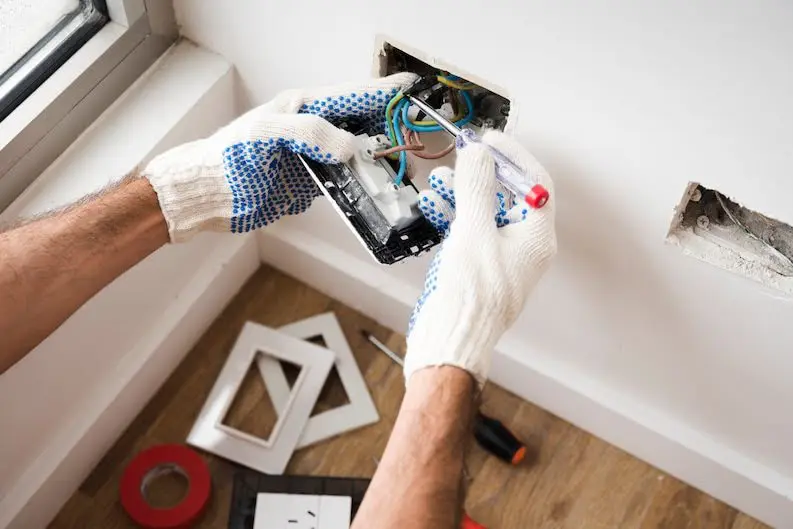
Building a safe home is more than just a construction goal—it’s a long-term commitment to the safety, comfort, and well-being of the people who live there. Among all construction elements, electrical planning plays a critical role. This guide explores essential guidelines for electrical points and switches in new constructions, helping homeowners create spaces that are not only functional but also secure and future-ready.
The Importance of Electrical Safety in New Constructions
Electrical safety is the backbone of any modern home. A well-designed electrical system does more than power appliances—it protects occupants from hazards such as shocks, short circuits, and electrical fires. Thoughtful planning of electrical points and switches during the construction stage ensures long-term reliability and reduces costly modifications later.
Proper electrical safety also supports modern living needs, from smart devices to high-load appliances, without compromising system stability.
Understanding Electrical Guidelines
Electrical guidelines are practical frameworks designed to keep homes safe and compliant. They cover wiring methods, load distribution, outlet placement, and switch positioning—ensuring that every electrical component works efficiently and safely.
- Basics of Electrical Wiring
High-quality wiring is the unseen lifeline of a home. Selecting wires with the correct load capacity, durable insulation, and heat resistance is essential. Poor-quality or undersized wiring can lead to overheating, short circuits, and fire risks. Professional installation and proper routing further reduce these dangers.
- Safety Standards and Regulations
Safety standards are developed through extensive testing and real-world data. They specify minimum outlet requirements, circuit separation, earthing methods, and safe distances from water sources. Adhering to these regulations isn’t just about legal compliance—it’s about protecting lives and property.
Planning the Electrical Layout in New Constructions
An efficient electrical layout balances safety, usability, and aesthetics. Planning ahead allows homeowners to avoid extension cords, overloaded sockets, and inconvenient switch placements.
Strategic Placement of Electrical Points
Electrical points should align with room usage, furniture layout, and appliance needs while maintaining safe distances from potential hazards.
a. Living Room and Bedrooms
In living rooms and bedrooms, outlets should support everyday needs such as televisions, lighting, charging stations, and workspaces. Distributing electrical points across multiple circuits prevents overload and ensures consistent power supply.
b. Kitchen and Bathrooms
These areas require heightened safety due to water exposure. Electrical points must be positioned away from sinks and wet zones. Installing protective devices like ground fault circuit interrupters (GFCIs) significantly reduces the risk of electric shock.
Choosing the Right Switches
Switches are used daily and should be safe, durable, and easy to operate. Their design can also enhance interior aesthetics when chosen thoughtfully.
a. Types of Switches
Options range from traditional toggle switches to dimmers and smart switches. Dimmer switches allow lighting control for ambience and energy efficiency, while smart switches add convenience and automation to modern homes.
b. Switch Placement Guidelines
Switches should be placed near entry points for ease of access and positioned at heights that are safe for children yet reachable in emergencies. Placement should also follow natural movement patterns within each room.
Working with Construction Companies
Selecting a Reliable Construction Company in Kolkata
When selecting a construction company in Kolkata, it’s important to evaluate more than pricing. Experience with electrical installations, adherence to safety regulations, and transparent communication are key indicators of reliability—especially in regions where construction standards can vary.
● Criteria for Selection
Look for a company with proven experience, a strong project portfolio, and positive client feedback. A reliable team prioritizes safety, follows electrical codes diligently, and accommodates your specific lifestyle requirements.
● Coordination for Electrical Safety
Clear coordination ensures that electrical layouts, switch placements, and safety features are executed exactly as planned. Regular discussions, detailed drawings, and on-site supervision help avoid errors and ensure a seamless construction process.
Advanced Safety Tips for Homeowners
Electrical safety doesn’t end when construction is complete. Ongoing awareness and maintenance are essential for long-term protection.
Regular Maintenance and Inspection
Routine inspections help detect issues such as loose outlets, aging wires, or malfunctioning switches before they escalate into serious problems.
● DIY Safety Checks
Homeowners can perform basic checks—like ensuring outlets aren’t overloaded and testing safety devices—but should avoid handling complex electrical components without proper training.
● Professional Assessments
Periodic inspections by licensed electricians provide a comprehensive evaluation of your electrical system. Professionals can identify hidden risks and recommend upgrades to keep your home safe and efficient over time.
Also Read: Planning a Home with a Rental Unit: Smart Design for Extra Income
Conclusion
Building a safe home extends far beyond the new construction phase. By following proper electrical point and switch guidelines, partnering with a reliable construction company, and maintaining a proactive approach to safety, homeowners can create living spaces that are secure, functional, and future-proof. Thoughtful electrical planning today ensures peace of mind for years to come.
Frequently Asked Questions (FAQs)
How many electrical points should be planned in a new home?
The number of electrical points depends on the size of the home, room usage, and lifestyle needs. Living rooms and bedrooms typically require multiple outlets for lighting, charging devices, and electronics, while kitchens may need additional points for high-load appliances. Planning slightly more points during construction helps avoid unsafe extensions or future rewiring.
Why are special safety measures required for kitchens and bathrooms?
Kitchens and bathrooms involve water usage, which increases the risk of electrical shock. Electrical points in these areas must be placed away from water sources and protected with safety devices such as GFCIs and proper earthing. These measures significantly reduce electrical hazards and improve overall home safety.
Should homeowners be involved in planning electrical layouts with the construction company?
Yes, homeowner involvement is highly recommended. Discussing appliance usage, furniture layout, and future needs with the construction team ensures that electrical points and switches are placed correctly. Clear communication with the construction company during the planning stage helps achieve both safety and convenience in the final home design.