
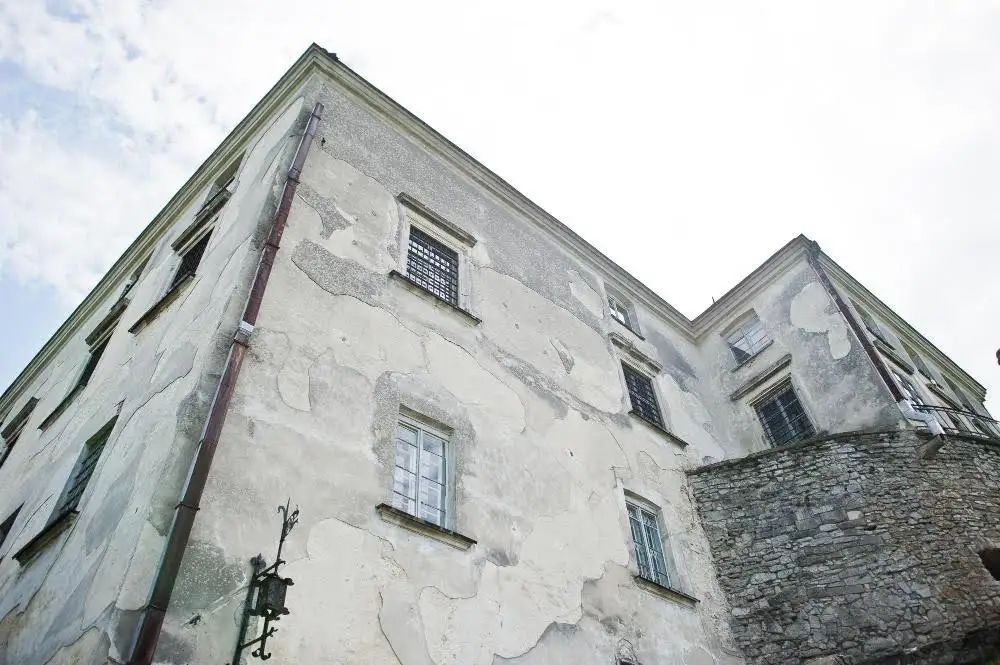
Building a home is a monumental achievement, but the journey doesn’t end when the home construction contractors hand over the keys. In fact, the first two years of a new home’s life are the most critical. As the structure “settles” and materials react to the environment, minor oversights can turn into expensive repairs.
At GharEka, we believe a home should be a sanctuary, not a source of stress. This home maintenance guide will help you master property damage prevention so your investment remains pristine for decades.
1. Taming the Flow: Water Damage Prevention
Water is the primary enemy of any new structure. Whether it’s a slow drip or a sudden burst, water damage prevention should be your top priority.
- Seal the Wet Areas: Ensure that the silicone sealant around bathtubs, sinks, and shower trays is intact. Over time, these can shrink, allowing water to seep into the floorboards or the ceiling below.
- Monitor Water Pressure: High water pressure feels great in the shower, but it can stress your pipes and joints. Keeping your pressure at a standard level (typically between 40–60 PSI) prevents long-term plumbing fatigue.
- The First Monsoon Check: During the first heavy rains, inspect your balconies and bathrooms for any signs of stagnation. Proper “slope” or “gradient” is something top home construction companies prioritize to ensure water flows toward the drains.
2. Guarding the Top: Roof Leakage Issues
The roof is your home’s first line of defense. However, roof leakage issues are common if drainage systems aren’t regularly maintained.
- Keep Gutters Clear: Leaves and debris can clog gutters, causing water to back up under the roofing material.
- Inspect Flashing: The metal strips around chimneys or vents (flashing) are common entry points for water. A quick visual check every six months can save you from a major ceiling repair.
3. Monitoring the Movement: Wall Crack Repair
It is perfectly normal for a new home to experience “settling.” As the foundation finds its permanent seat, minor hairline cracks may appear.
- Don’t Panic Over Hairlines: Most thin cracks in the plaster are cosmetic. However, if you see a crack wider than a coin or one that runs diagonally, it’s time to call your home construction contractors.
- Timely Wall Crack Repair: Avoid DIY-ing structural cracks with simple putty. Use a flexible filler designed for masonry to allow for slight future movements without re-cracking.
4. Electrical Safety and Maintenance
New homes are packed with modern electronics. To prevent electrical damage:
- Avoid Overloading: Even with modern wiring, using multiple high-load appliances on a single circuit can cause tripping or heat damage.
- Check the Earthing: Ensure your home’s grounding system is tested annually to protect your appliances from power surges.
Summary Checklist for New Homeowners
| Area | Frequency | Activity |
|---|---|---|
| Plumbing | Every 3 Months | Check under sinks for moisture or “sweating” pipes. |
| Roof | Pre-Monsoon | Clear debris from drains and inspect waterproofing layers. |
| Walls | Every 6 Months | Look for signs of dampness (efflorescence) or widening cracks. |
| Exterior | Annually | Ensure the soil around the foundation is sloped away from the house. |
Why Professional Construction Matters
Preventing damage starts with how the house was built. Working with reputable home construction company like GharEka ensures that high-quality waterproofing, proper soil testing, and premium materials are used from day one. This significantly reduces the likelihood of structural issues down the road.
Also Read: 5 Essential Techniques That Will Definitely Keep Your House Termite Free
Final Thoughts
Protecting your home after construction is not a one-time effort but an ongoing commitment. From effective water damage prevention to timely wall crack repair and addressing roof leakage issues, proactive maintenance ensures your property remains structurally sound and visually appealing for years to come.
While these steps form a strong foundation for property damage prevention, the real difference lies in the quality of construction itself. Partnering with experienced home construction companies and reliable home construction contractors ensures that critical elements like waterproofing, drainage planning, and structural integrity are handled with precision from the very beginning.
By combining expert construction with a consistent home maintenance approach, homeowners can safeguard their investment, minimize repair costs, and enjoy long-term peace of mind.
Frequently Asked Questions
Q1: Is it normal for a new house to have cracks in the walls?
Yes, minor hairline cracks are common as the building settles and materials dry out. However, large horizontal or diagonal cracks should be inspected by a professional.
Q2: How often should I check my roof for leaks?
It is best to inspect your roof twice a year: once before the rainy season and once after. Look for blocked drains, cracked tiles, or peeling waterproofing membranes.
Q3: How can I prevent dampness in my new walls?
Ensure proper ventilation in the house, especially in kitchens and bathrooms. Using a high-quality exterior primer and paint also acts as a barrier against moisture.
Q4: When should I contact my home construction contractors for repairs?
Most reputable contractors provide a “defect liability period.” If you notice structural issues, major plumbing leaks, or electrical faults within the first year, contact them immediately.