
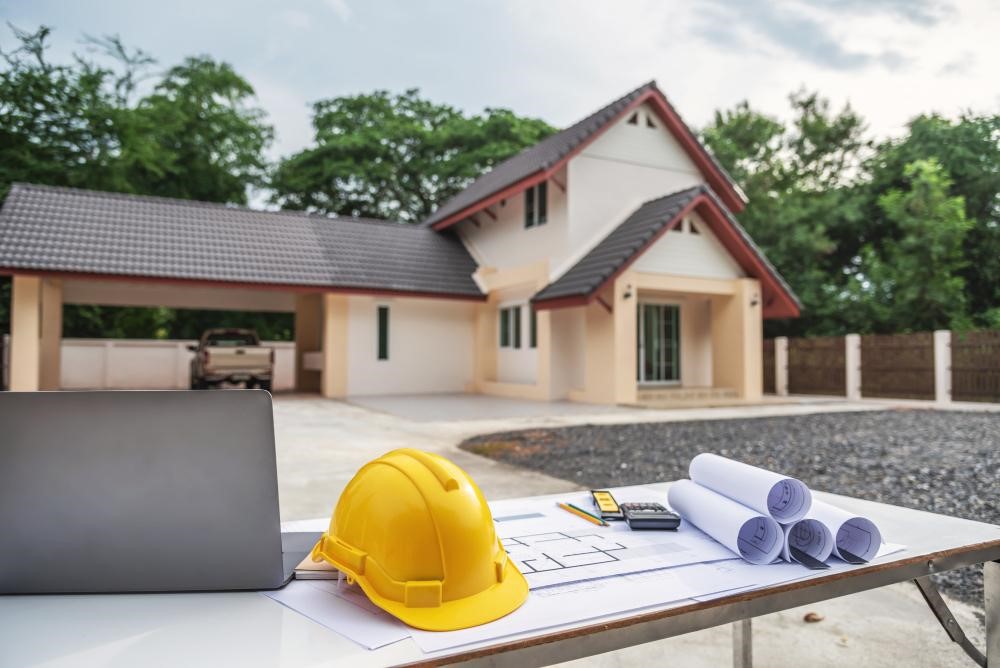
A home is not built in a day. It starts as an idea, takes shape on paper, and finally transforms into brick and mortar. But between the dream and reality lies a process—a long, detailed, and sometimes overwhelming one. Every decision, from selecting the land to the final coat of paint, plays a role in making the house strong, functional, and timeless.
Knowing the house building process in advance is what separates a smooth home-building experience from a stressful one. Without a clear roadmap, things can go sideways—delays, budget overruns, and design mismatches. But with the right approach, every phase flows seamlessly into the next, bringing you closer to the home you have envisioned.
This guide explains the house construction step by step process, from laying the foundation to the finishing touches. It is detailed, practical, and designed to help you make informed decisions at every stage.
Step 1: Choosing the Right Land for House Construction Buildings
Before breaking ground, selecting the right location is crucial. The land should support both your lifestyle needs and long-term investment goals.
Key factors to evaluate:
- Soil testing: Determines load-bearing capacity and foundation type
- Legal clearances: Ensure clear title deed and dispute-free ownership
- Connectivity & utilities: Access to roads, electricity, water supply, and drainage
A strong foundation begins with the right land.
Step 2: Planning and Designing the House Building Process
A home is first built on paper before it is built on land. Proper planning streamlines the entire construction journey.
Essential planning stages include:
- Architectural design: Functional layout aligned with lifestyle and budget
- Structural engineering: Safety against wind, rain, and earthquakes
- Cost estimation: Covers materials, labour, professional fees, and contingencies
- Government approvals: Local permits and building sanctions
Smart planning avoids expensive changes later.
Read This: Modern House Construction – How Can You Utilize Your Full Space
Step 3: Site Preparation and Foundation Work in House Construction Buildings
This is where construction physically begins.
Main activities:
- Land clearing and levelling
- Excavation based on foundation design
- Laying foundation (slab, pile, or footing type)
The foundation determines the strength and lifespan of the entire house.
Step 4: Structural Framework – Walls, Beams, and Roof Construction
This stage gives the house its visible form.
Includes:
- Framing with concrete, bricks, or steel
- Construction of load-bearing walls and beams
- Roof installation (flat, sloped, or gabled)
At this point, your blueprint becomes reality.
Step 5: Electrical and Plumbing in the House Construction Step by Step Process
Utilities are installed once the structure is ready.
Electrical work:
- Internal wiring
- Switchboards and socket placement
- Smart home planning (if required)
Plumbing work:
- Water supply lines
- Drainage systems
- Leak testing
Proper execution prevents costly future repairs.
Step 6: Flooring and Interior Development
This phase transforms the structure into a livable home.
Interior work includes:
- Tile, marble, or wooden flooring
- Wall plastering and painting
- False ceilings and lighting fixtures
- Modular kitchen and storage units
This stage defines comfort and aesthetics.
Step 7: Final Touches and Quality Inspection
Before possession, detailed checks are conducted.
Final checks include:
- Snag list verification
- Waterproofing and pest control
- Electrical and plumbing testing
- Deep cleaning
This ensures everything is functional and safe.
Step 8: Move-In and Long-Term Maintenance
Construction may end, but responsibility continues.
Post-construction essentials:
- Furniture and appliance setup
- Routine plumbing and electrical checks
- Structural maintenance
Well-maintained homes retain value for decades.
Hassle-Free House Building Process with GharEka
For those seeking a stress-free and transparent experience, GharEka, a modern house construction venture by the Shyam Steel Group, offers complete end-to-end construction services.
From architectural planning and government approvals to execution and handover, GharEka manages the entire house construction step by step process with precision.
Their proprietary mobile application provides:
- Real-time project updates
- Material tracking
- Payment transparency
- Stage-wise progress reports
This ensures clarity, accountability, and peace of mind throughout the journey.
Check This Out: Common Mistakes to Avoid When Building a New Home
The Final Brick in Place
A well-built home is the result of careful planning, precise execution, and informed decisions. Understanding the house construction buildings process ensures your project moves forward without delays, confusion, or unnecessary expenses.
From selecting land to handing over the keys, every phase contributes to creating a home that is durable, efficient, and truly personal. With the right guidance and execution partner, the house building process becomes smooth, predictable, and rewarding.
Frequently Asked Questions
1. Which footing is best for home construction?
The best footing depends on soil conditions and structural load:
- Isolated footing: Individual columns
- Strip footing: Load-bearing walls
- Raft foundation: Weak soil conditions
- Pile foundation: Deep unstable soil
A structural engineer should always make the final recommendation.
2. Which slab is best for house construction?
- RCC slabs are the most preferred due to strength and durability. Options include:
- Flat slab
- One-way slab
- Two-way slab
- Post-tensioned slab
Selection depends on design and load requirements.
3. What is the sequence of residential building construction?
Typical construction sequence:
- Site marking
- Excavation
- Foundation work
- Concrete structure
- Brick masonry
- Roofing
- Flooring
- Finishing work