
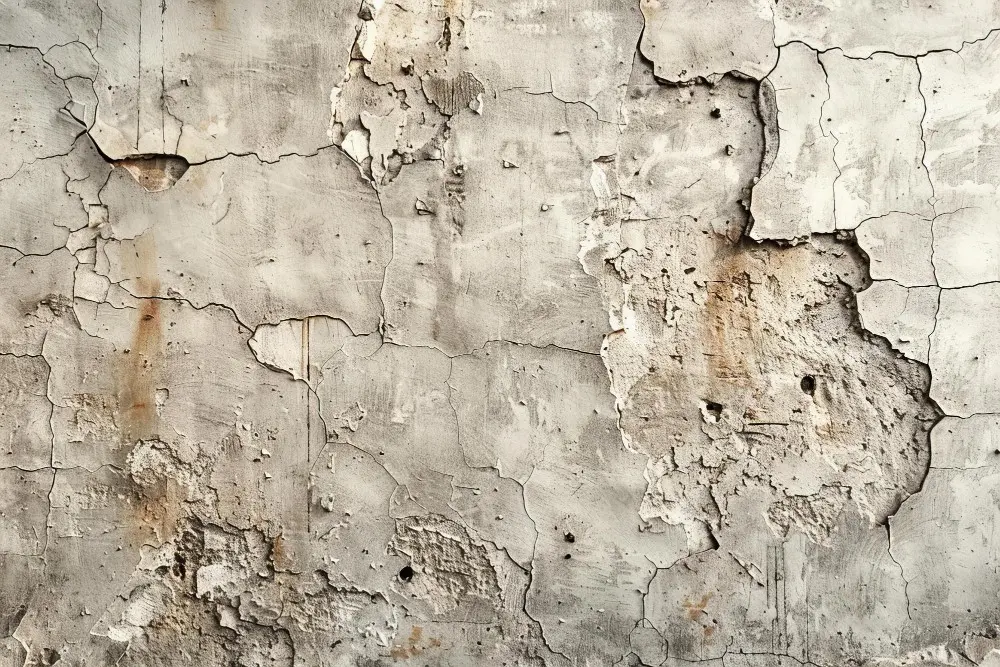
Water seepage in walls is a frustrating issue that can compromise the integrity and aesthetics of your home. It occurs when water penetrates walls, leading to unsightly stains, mold growth, and structural damage. Identifying the source of wall seepage is crucial for effective repair and prevention. In this guide, we’ll cover common causes of wall seepage. We’ll also share practical solutions to fix these issues, keeping your home safe and dry.
Common Causes of Wall Seepage
Wall seepage is a common issue that can lead to serious problems if not addressed promptly. Know why water seepage in walls occurs for effective prevention and repair. Here are the main causes of wall seepage:
Poor Waterproofing during Construction
One of the primary reasons for wall seepage is inadequate waterproofing during the construction phase. If the waterproofing membranes or sealants are low quality or applied poorly, water can seep into walls over time. People often notice this problem in newly constructed homes where builders have not properly sealed corners or joints.
Cracked Walls and Foundation
Cracks in walls and foundations are significant contributors to wall seepage. These cracks can develop because of settling of the foundation, shifting soil, or thermal expansion and contraction. Water can easily penetrate through these cracks, leading to water seepage in walls.
Poor Drainage Systems
Poor drainage around a building’s foundation can make water pool and press on the walls. This excessive pressure can force water through the walls, resulting in wall seepage. Poor drainage can be because clogged gutters, improper grading, or malfunctioning sump pumps.
High Groundwater Levels
High groundwater levels can cause water to seep into the walls of a basement or lower levels of a building. This is often the result of heavy rainfall or poor soil drainage. When the groundwater level rises, it can put pressure on the foundation walls, leading to water seepage.
Leaky Pipes and Plumbing Issues
Leaky pipes within walls can also lead to wall seepage. When plumbing systems fail or leak, water can escape and collect inside walls. This can cause damage and mold growth.
How to Detect Wall Seepage?
Detecting wall seepage early can prevent extensive damage and costly repairs. Here are some methods to identify if you have water seepage in wall:
Visible Water Stains and Mold
One of the most apparent signs of wall seepage is the presence of water stains or mold on walls. Look for discoloration or peeling paint, which can indicate moisture buildup. Mold growth is also a strong indicator of water seepage.
Damp or Musty Odors
If you notice a damp or musty smell in certain areas of your home, it could be a sign of wall seepage. Moisture trapped in walls can lead to unpleasant odors and contribute to mold and mildew growth.
Check for Cracks
Inspect walls and foundations for any visible cracks. Cracks, especially those that appear to be growing or worsening, can be a sign that water is seeping through. Pay close attention to cracks near the base of walls and around windows and doors.
Monitor for Increased Humidity
If you observe a sudden increase in indoor humidity levels, it could indicate water seepage. Use a hygrometer to measure humidity levels in your home and compare them to normal ranges.
How to Stop Wall Leakage: Wall Seepage Treatment
Addressing wall seepage effectively involves a combination of preventive measures and repair techniques. Here are some methods for wall seepage treatment:
Improve Waterproofing
To prevent water seepage in walls, improving waterproofing is essential. Apply high-quality waterproof sealants to exterior walls and foundations. Properly seal all joints and corners. For existing buildings, consider applying a waterproof coating or membrane to the interior walls.
Repair Cracks
Fixing cracks in walls and foundations is crucial to stopping wall leakage. Use a high-quality crack filler, cement, wall putty, or epoxy resin to seal visible cracks. For larger cracks, you may need to consult a professional to ensure a thorough and effective repair.
Enhance Drainage Systems
Improving drainage systems around your home can help combat wall seepage. Ensure that gutters and downspouts are clean and functioning correctly. Grade the soil around your foundation to direct water away from the walls. Install or repair sump pumps to manage groundwater effectively.
Address Plumbing Issues
Fix any leaky pipes or plumbing issues to prevent water seepage from within the walls. Regularly inspect your plumbing system and address any leaks or malfunctions promptly. Insulate pipes to prevent freezing and subsequent leaks.
Manage Groundwater Levels
If high groundwater levels cause wall seepage, install a French drain or similar drainage system.
Use it to manage and redirect groundwater. Ensure that your landscaping and grading keep groundwater away from the foundation.
By using these wall seepage treatment methods, you can protect your home from water damage. You can also help keep its structure strong.
Prevent Wall Seepage from the Start: Consult Professionals
Are you facing serious wall seepage issues or planning to build your dream home? Preventing problems like wall seepage begins with proper construction practices. It’s essential to consult professionals, such as residential construction companies. They can ensure your home is built with the best materials and techniques. This helps prevent seepage from the start. By working with experts, you can safeguard your home against common issues like wall seepage, ensuring it remains sturdy and secure for years to come.
Build Your Home with Confidence: Choose GharEka
GharEka is one of the noted residential construction companies venture by the Shyam Steel group. Home is the greatest wealth one can possess- one which must be intergenerational. That is why it is extremely important to leave the task of construct your house to trustworthy hands.
In GharEka, we have a team of professionals who will guide you throughout the process, which includes creating house plans, clearing of sanctions and lastly building your home at low prices. The proprietary mobile application will provide you with real-time information about each stage of your home-building process and make it transparent and stress-free.
We are your end-to-end partner for building your home, offering comprehensive services that include:
- Designs and Development: Customized home designs tailored to your preferences.
- Plans and Approval: Assistance with obtaining necessary permits and approvals.
- Procurement of All Materials: Sourcing high-quality materials for every aspect of construction.
- All Construction Works: Managing the entire construction process from start to finish.
With GharEka, building your home is reliable, simple, and transparent, ensuring that your most important asset is built to last.
FAQs:
– Locate the cause of your damp walls and fix this before continuing.
– Buy or hire a dehumidifier to completely dry out the room.
– Use a stain blocker to prevent future staining.
– Replaster your walls.
– Redecorate using paint, tiles or wallpaper.
As an internal source of moisture, the best way to help prevent condensation is to improve the ventilation of your house. Avoiding overusing tumble dryers, using extractor fans and opening windows in order to maintain a regular airflow are all ways you can prevent a build up of condensation that will lead to mold.
Seal the cracks in the walls. Filling in cracks with wall crack filler is thus one of the best ways to stop water from leaking through walls. The wall must be repainted after all the loose plaster has been removed and the gaps and cracks have been filled. Just be sure to finish it before the monsoon season begins.