
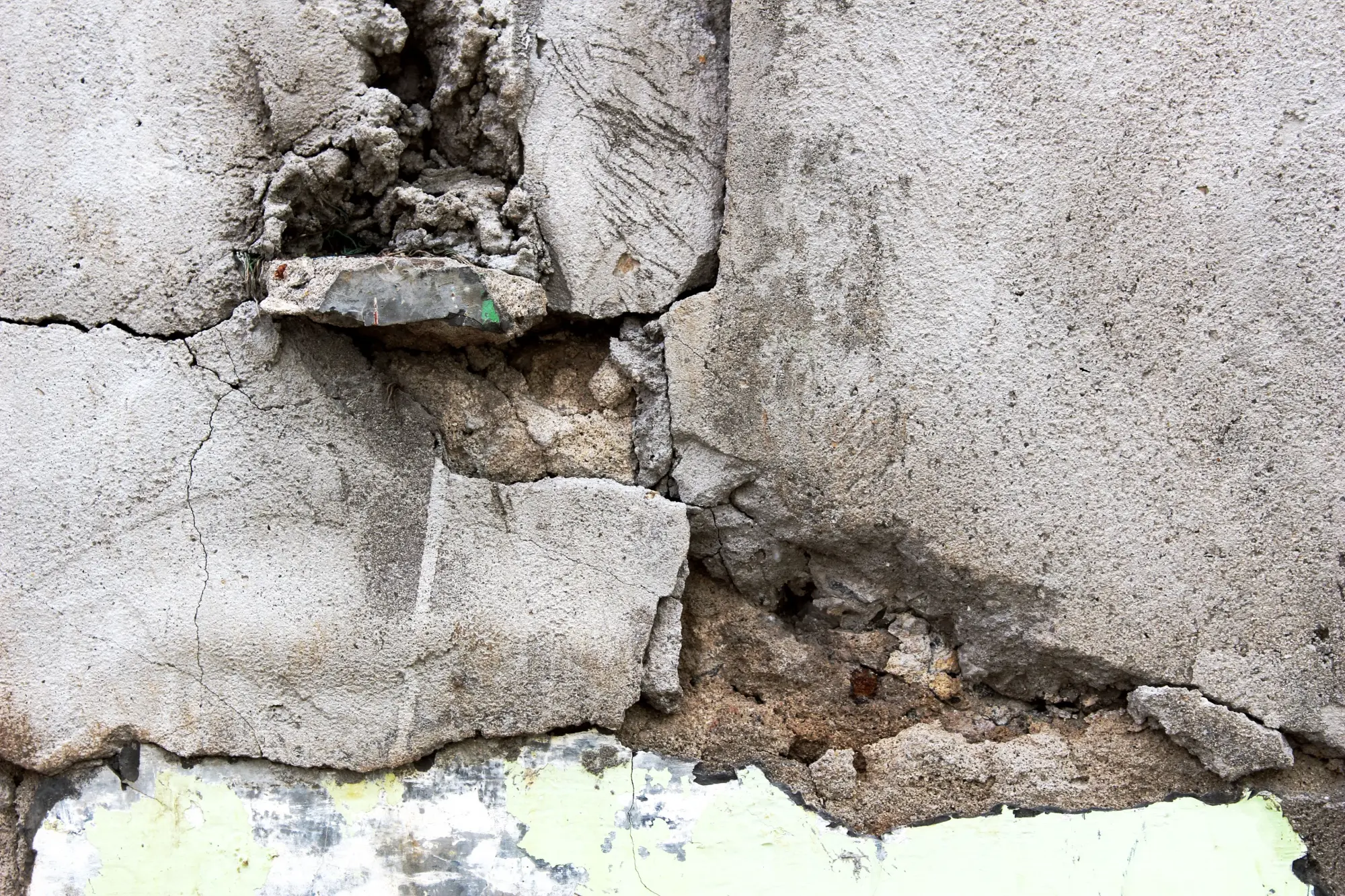
When people think about structural damage, they often imagine dramatic cracks, leaning walls, or buildings requiring urgent repair. But in reality, major structural failures rarely begin with something visible. They often start with tiny construction mistakes—errors so small that they are easy to ignore during execution.
A few millimeters of misalignment. Slightly improper curing. Minor reinforcement placement issues. Inadequate waterproofing in one corner.
These may look insignificant during construction, but over time, these small deviations can evolve into macro structural damage, affecting the strength, durability, and safety of an entire building.
This is why every experienced construction company in Kolkata understands one fundamental truth—small construction details create long-term structural performance.
Understanding the Connection Between Micro Errors and Structural Damage
Every building functions as one interconnected system. Foundations support columns, columns transfer loads to beams, beams support slabs, and slabs distribute weight across the structure.
When even one component is compromised during construction, the stress begins shifting to surrounding elements. Initially, this may not create visible problems. But over time, repeated load cycles, moisture exposure, temperature changes, and material fatigue start amplifying that weakness.
This gradual process eventually results in visible structural damage such as cracks, seepage, uneven flooring, rust stains, or slab deflection.
In simple words, what begins as a small construction defect can eventually become large-scale or macro structural damage.
What Are Micro-Level Construction Errors?
Micro-level construction errors are small inaccuracies or overlooked details during construction that may not be immediately visible but can impact structural integrity over time. These errors typically occur during material preparation, reinforcement work, foundation development, or finishing stages.
Some of the most common examples include:
Improper Reinforcement Placement
Steel reinforcement acts as the structural skeleton of a building. If reinforcement bars are placed even slightly away from the designed position, load transfer can become uneven.
Over time, this can create stress concentration points, eventually causing cracks in beams, slabs, or columns.
Poor Concrete Mixing Ratios
Concrete requires precise proportions of cement, aggregates, and water.
If excess water is added onsite for easier workability, the concrete may lose its intended strength. While the surface may appear perfectly normal initially, reduced compressive strength can lead to long-term structural damage.
Inadequate Concrete Curing
Concrete gains strength through proper curing.
When curing is stopped early or performed inconsistently, shrinkage cracks can begin developing. These tiny cracks later become entry points for moisture, leading to internal steel corrosion and larger structural issues.
Minor Foundation Level Variations
Foundations require accurate soil preparation and precise leveling.
Even small differences in compaction or depth can cause differential settlement, where one side of the building settles faster than the other. This often leads to wall cracks, uneven floors, and long-term macro structural damage.
How Small Construction Errors Become Macro Structural Damage
Structural failures usually follow a gradual progression.
Stage 1: Hidden Construction Defect
A small error occurs during execution. It remains invisible behind plaster, tiles, or finishes.
At this stage, everything looks normal.
Stage 2: Environmental Exposure
Moisture, temperature fluctuations, load cycles, and daily usage begin interacting with the weak area.
The material starts deteriorating internally.
Stage 3: Stress Redistribution
As one component weakens, nearby structural elements begin carrying additional load.
This creates internal stress concentration.
Stage 4: Visible Structural Damage
Eventually, visible symptoms begin appearing, including:
- Wall cracks
- Ceiling cracks
- Floor settlement
- Water seepage
- Rust stains
- Slab sagging
- Door and window misalignment
This is the final stage of macro structural damage.
A Simple Example to Understand Better
Imagine a dining table with one leg that is shorter by just a few millimeters.
Initially, the table appears stable. You can place books, plates, or even heavy objects on it without noticing any issue.
But over time, repeated pressure causes the joints to loosen, the screws to weaken, and the table to become unstable.
Buildings work in the same way.
Even a tiny construction deviation can gradually affect load distribution, eventually leading to major structural damage.
Areas Where Construction Errors Commonly Begin
Certain parts of a building are more vulnerable to micro-level errors than others.
Foundation Zones
Poor soil compaction or inaccurate excavation can cause settlement issues.
Beam-Column Junctions
Incorrect reinforcement detailing can weaken load transfer.
Roof Slabs
Improper curing or waterproofing can lead to cracks and seepage.
Bathrooms and Wet Areas
Incomplete waterproofing can cause moisture penetration and internal corrosion.
External Walls
Exposure to weather makes construction precision critical.
Why Structural Damage Often Appears Years Later
One of the biggest challenges with structural damage is that it rarely appears immediately.
Modern finishes like paint, tiles, false ceilings, and decorative coatings often hide internal defects.
By the time visible signs appear, the underlying structural issue may have been developing for years.
That is why construction quality should never be judged only by appearance—it should be judged by engineering precision.
The Cost of Ignoring Micro-Level Construction Errors
When small construction defects are ignored, repairs can become expensive and disruptive.
Structural corrections may involve:
- Crack injection treatments
- Waterproofing reconstruction
- Steel strengthening
- Foundation stabilization
- Structural retrofitting
- Partial demolition and rebuilding
Preventing these issues during construction is always more cost-effective than repairing macro structural damage later.
Why Choosing the Right Construction Partner Matters
Long-lasting buildings are never created by chance. They are built through engineering accuracy, material quality, site supervision, and attention to every construction detail.
That’s why choosing an experienced partner like GharEka matters. As a trusted construction company in Kolkata, GharEka focuses on precision-driven construction, transparent execution, and strict quality control to ensure small mistakes never become major structural failures.
Because in construction, what seems minor today defines the strength of tomorrow.
Frequently Asked Questions
1. What causes structural damage in buildings?
Structural damage is commonly caused by poor construction practices, foundation settlement, water infiltration, improper reinforcement placement, and low-quality materials.
2. Can small cracks indicate serious structural damage?
Not always. Hairline cracks may be cosmetic, but recurring, widening, or diagonal cracks may indicate deeper structural issues.
3. How long does macro structural damage take to appear?
Depending on environmental exposure and construction quality, macro structural damage may become visible within 3 to 10 years.
4. Can structural damage be repaired completely?
Yes, many structural issues can be repaired if identified early, though prevention during construction is always more cost-effective.
5. How can homeowners prevent structural damage?
Homeowners should work with experienced professionals like GharEka, ensure proper site supervision, quality materials, and engineering compliance throughout construction.